At Chayka Dental, treatment starts with diagnosis and an individual plan because similar symptoms can have different causes and require different solutions.
What patients should know
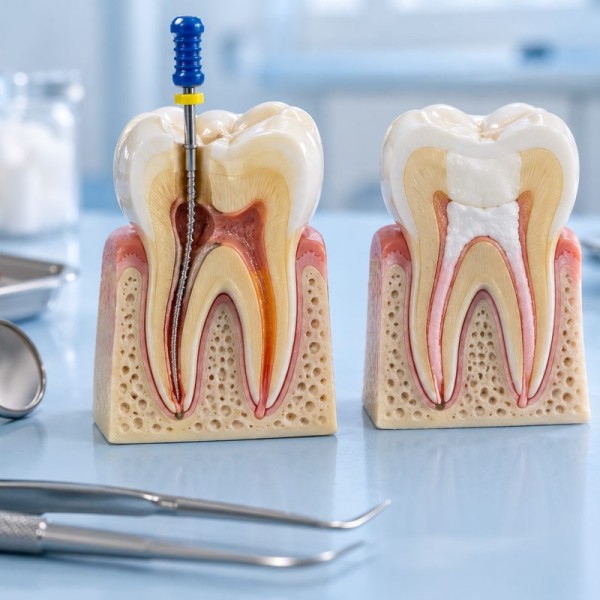
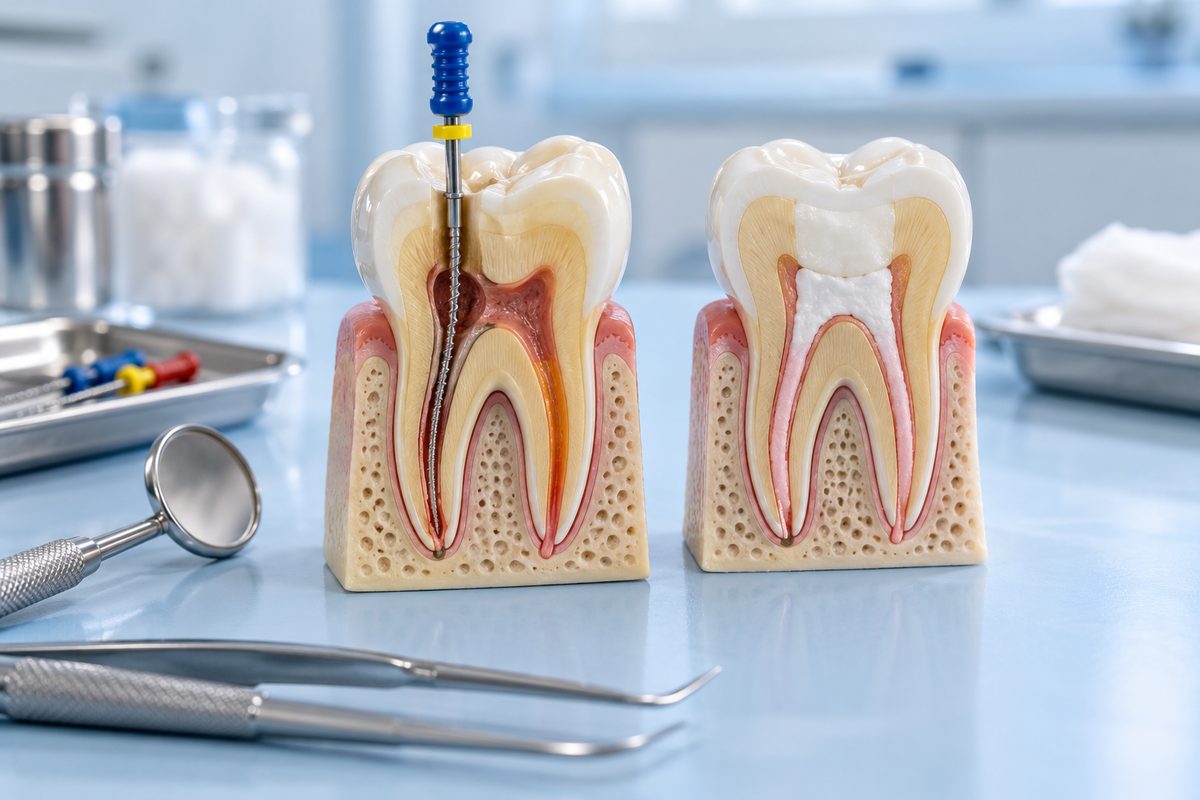
Root canal treatment is used when the dental pulp is irreversibly inflamed or infected. The aim is to remove infected tissue, clean and disinfect the canal system and seal it.
How the diagnosis is made
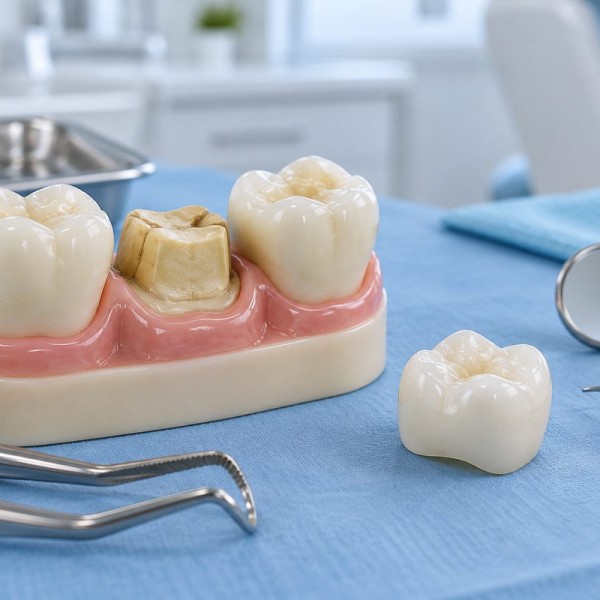
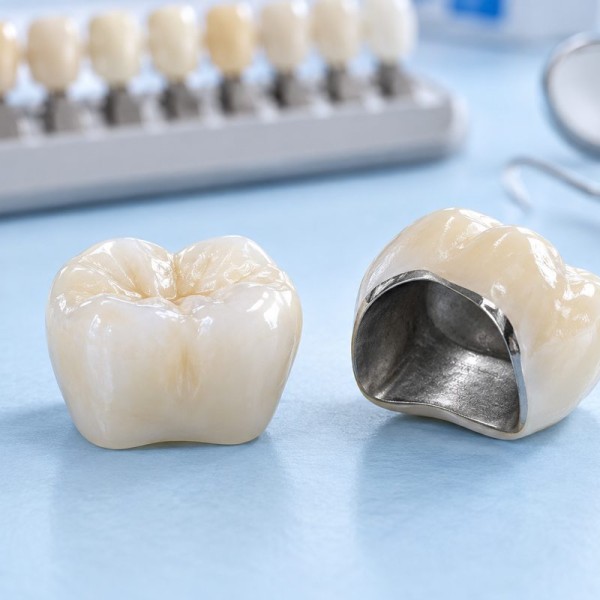
After successful endodontic treatment, a tooth can remain functional for many years if it is restored reliably. Teeth with extensive loss of structure often need additional protective restoration.
Choosing the right treatment
Prognosis depends on anatomy, infection, treatment quality and the final restoration. Extraction is not automatically the first choice for every painful or damaged tooth.
Why an individual treatment plan matters
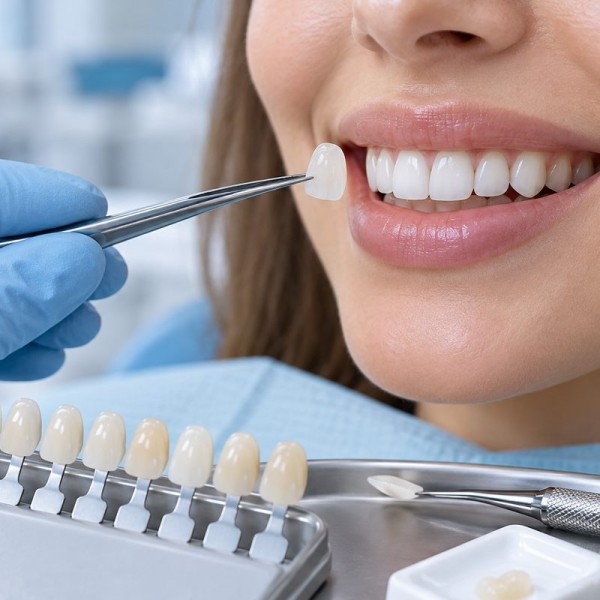
Modern dentistry combines clinical examination, digital diagnostics and precise planning. Complex cases may require a 3D dental scan, digital impressions, bite analysis or additional tests. The aim is to preserve healthy tissue whenever possible and create a stable, functional and natural-looking result.
What you can do
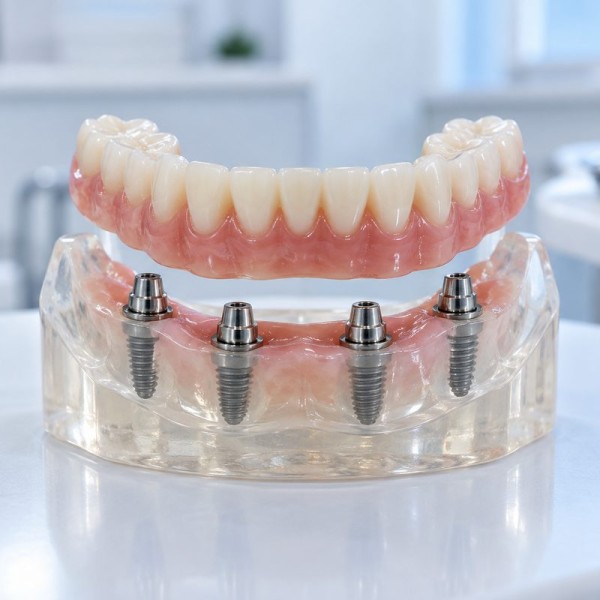
Maintain effective daily oral hygiene, do not ignore persistent symptoms, and bring previous X-rays or treatment records if available. With implants, crowns and complex restorations, regular professional maintenance is part of long-term care.
Consultation at Chayka Dental in Varna
If you have a similar concern, an examination is the safest way to receive advice for your individual case. Chayka Dental is located in Varna, Bulgaria and provides care in aesthetic dentistry, implantology, oral surgery, endodontics and prosthetic dentistry. International patients can contact the clinic in advance to discuss records, timing and treatment planning.
Frequently asked questions
Can an exact diagnosis be made from a photo alone?
Photos and X-rays can provide useful preliminary information, but a definitive plan usually requires a clinical examination.
How long does treatment take?
Timing depends on the diagnosis, procedures and healing. A more accurate schedule can be prepared after examination.
Is the treatment suitable for everyone?
No. Indications and contraindications are individual and depend on oral and general health.
This article is for educational purposes and does not replace a clinical examination or personalised medical advice.