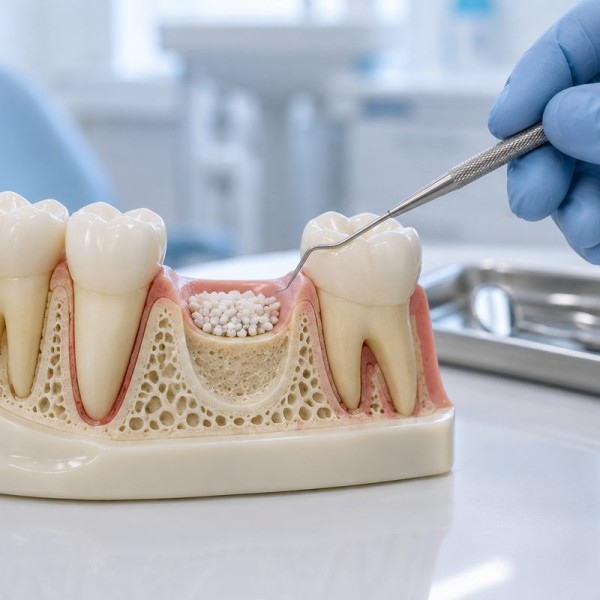
Alayneri. What is important to know?

Alayneri. What is important to know?

Let's first explain what exactly the much-talked-about tinners are. This is a method that helps to straighten teeth and treat problems of a different nature. Incorrect placement, correcting interdental spaces - all are part of the corrections that can be made thanks to veneers. Easy to maintain and suitable for small and large alike - it's understandable that they are gaining in popularity and are the preferred method of correction.

Who are they suitable for?

As mentioned above - there are all ages suitable for the use of aligners and this is a huge advantage because both children and adults can achieve the smile they want at any age. In case you need treatment - consultation with a specialist is a must, as he can best determine your individual case and future steps.

For teens and children -a great deal of imperfections and misalignment of teeth can be easily corrected, creating self-confidence and a lack of insecurity due to faulty placements or alignments. Precisely because of their transparent appearance - aligners do not bother adolescents.

For adults - the reason here is similar to children and teenagers. Many professions and social circles would create a sense of discomfort and embarrassment when using oral appliances that would be too visible. Veneers are also comforting to older adults who have decided for aesthetic or health reasons to take advantage of their benefits.

The steps that the treatment goes through?

First of all, of course, is the consultation with a specialist. With his help, you can receive guidance and discuss what your wishes and needs are, and he in turn will let you know how best to achieve them.

Scanning and photographing your dental alignment This is done with a range of different methods, including scanning, photographing and creating a map of your teeth from a variety of angles. From these images, your orthodontist will have a clearer and more detailed picture of your specific situation.

The last step, which is essential, is making a physical impression of your teeth, which serves as the basis for creating your aligner.

Some patients require pre-dental treatment to create the right environment for the aligners to work optimally.

After these steps, you will have a consultation where the first aligner - made to the model of your teeth - is test fitted. You may experience a feeling of tightness. It is after this trial that adjustments are made until the specialist, together with yourself, feels that the results have been achieved and you will feel comfortable wearing the aligners.

Replacement - you will replace your aligners approximately every 2 weeks during the treatment process, this is at the discretion of your orthodontist. If your teeth have not shifted enough within the current, this period may be extended.

Achieving the final results - exactly how long treatment will last depends on the individual case of each patient. Results will be visible within the first few weeks. Once the case is complete, the specialist you have confided in will advise you on wearing the aligners for some more time or whether there will be a need for a next maintenance step.

We advise you to choose the specialists and the team you will trust very carefully so that together you can achieve the results you envision.
 

News for dental services

At Chayka Dental, treatment starts with diagnosis and an individual plan because similar symptoms can have different causes and require different solutions. What patients should know Mild tenderness for a short period after root canal treatment can occur because tissues around the root may remain inflamed while healing. How the diagnosis is made Severe or increasing pain, visible swelling, fever, a bad taste, or the feeling that the treated tooth hits first when biting are reasons to contact your dentist. Choosing the right treatment A review allows the dentist to assess the bite,...

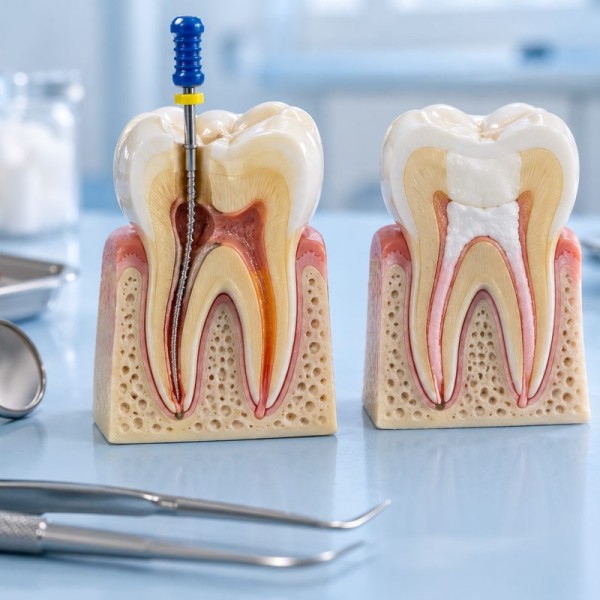
At Chayka Dental, treatment starts with diagnosis and an individual plan because similar symptoms can have different causes and require different solutions. What patients should know Root canal treatment is used when the dental pulp is irreversibly inflamed or infected. The aim is to remove infected tissue, clean and disinfect the canal system and seal it. How the diagnosis is made After successful endodontic treatment, a tooth can remain functional for many years if it is restored reliably. Teeth with extensive loss of structure often need additional protective restoration. Choosing...

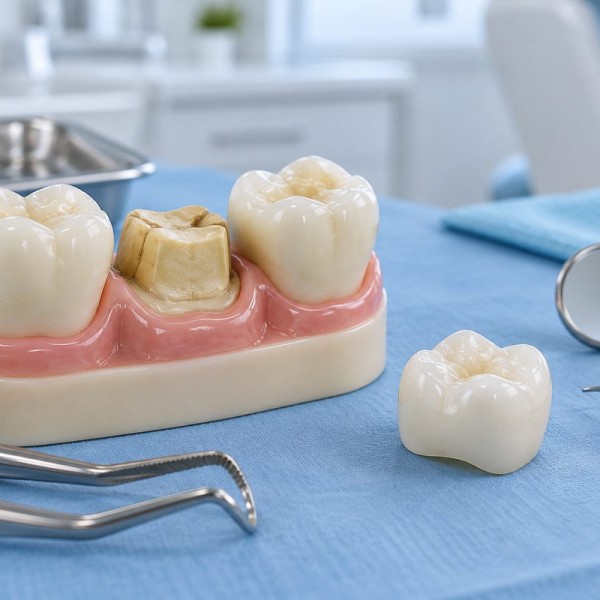
At Chayka Dental, treatment starts with diagnosis and an individual plan because similar symptoms can have different causes and require different solutions. What patients should know A very large filling is not always the safest restoration for a heavily damaged tooth. When walls are thin, cracks are present or substantial tooth structure is missing, a crown or partial ceramic restoration may be considered. How the diagnosis is made The decision depends on remaining sound tissue, whether the tooth has had root canal treatment, biting forces and habits such as grinding. Choosing the...

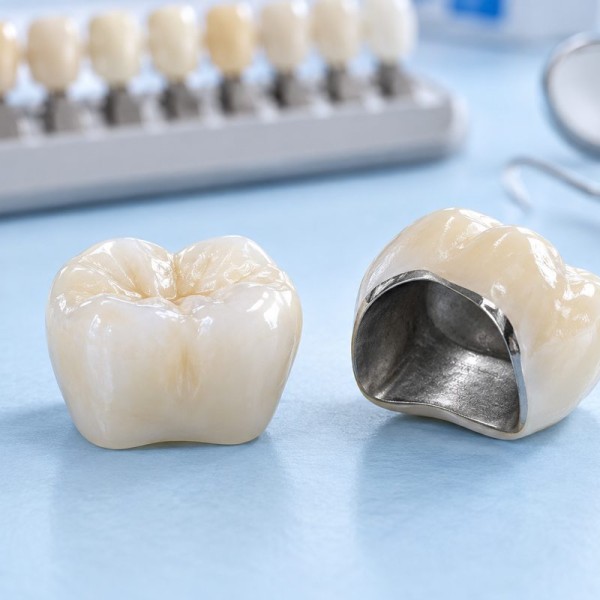
At Chayka Dental, treatment starts with diagnosis and an individual plan because similar symptoms can have different causes and require different solutions. What patients should know Zirconia and porcelain-fused-to-metal crowns are established restorative options with different structures. Zirconia is metal-free and combines high strength with strong aesthetic potential. PFM crowns have a metal substructure covered with porcelain. How the diagnosis is made Choice depends on tooth position, soft-tissue thickness, bite, available space, underlying tooth colour and budget. Choosing the...

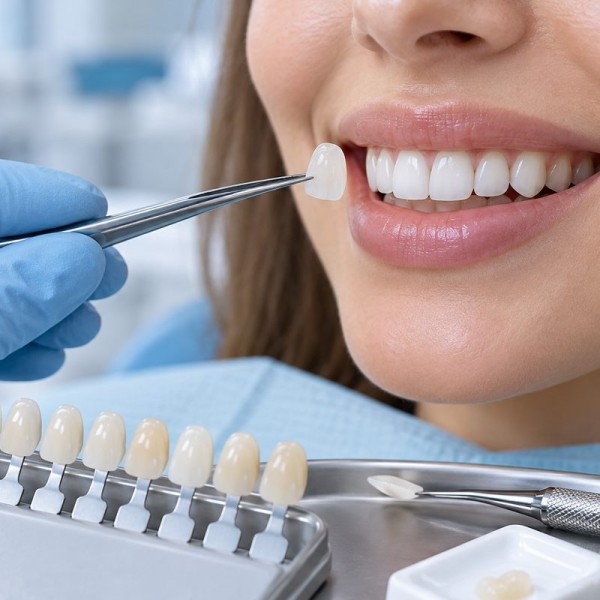
At Chayka Dental, treatment starts with diagnosis and an individual plan because similar symptoms can have different causes and require different solutions. What patients should know Veneers and composite bonding can change the shape, colour and proportions of front teeth, but they are different treatments. Bonding is shaped directly with composite resin, while ceramic veneers are made indirectly. How the diagnosis is made Bonding is often conservative and can allow corrections in a single visit. Ceramic veneers can provide excellent surface quality and colour stability when properly...

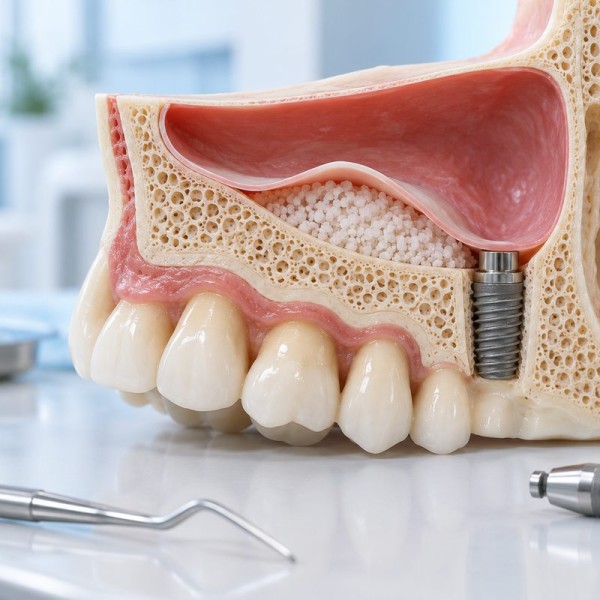
At Chayka Dental, treatment starts with diagnosis and an individual plan because similar symptoms can have different causes and require different solutions. What patients should know In the back of the upper jaw, the maxillary sinus may limit the available bone height for an implant. A sinus lift is a procedure designed to create additional space for bone regeneration. How the diagnosis is made Different techniques are available depending on residual bone and the implant plan. A 3D scan is valuable for assessing anatomy, the sinus and the planned implant position. Choosing the right...

At Chayka Dental, treatment starts with diagnosis and an individual plan because similar symptoms can have different causes and require different solutions. What patients should know Bone volume can decrease after tooth loss. If there is not enough bone to place an implant in a stable and prosthetically correct position, bone augmentation may be discussed. How the diagnosis is made The need is assessed with examination and 3D imaging. Depending on the defect, grafting can be performed before implant placement or at the same appointment. Choosing the right treatment The material and...

Image

IBAN: BG18UNCR70001525411076
BIC/SWIFT: UNCRBGSF
AIPPMPDM CHAYKA DENTAL LTD

© 2026 All rights reserved!

Location

Rupi St., block 203, Chaika district
9010 Varna, Bulgaria

Opening hours
Mon / Wed / Fri: 09:00–19:00
Tue / Thu: 09:00–14:00
Saturday and Sunday: closed

Contact us

Registration / Book an hour
+359 888 310 106
info@chaykadental.com

Manager
Dr. Plamena Ivanova
+359 889 573 651

fb icon instagram icon